
Friday, September 30, 2011
APOD 1.5-Dry Ice Pits on Mars
Part of Mars is melting, causing dry ice pits to form on the surface of our 'sister' planet. Dry ice pits are formed when carbon dioxide dry ice sublimates straight into gas. Pits are about 150 meters across and lie usually in ancient martian volcanos. On earth, pits are similar to Hawaiian volcano pit craters. When the summer comes, the dry ice pits form and when winter returns, the chilly will stop the defrosting and freeze more layers of solid carbon dioxide.

Friday, September 23, 2011
APOD 1.4- Spitzer's Orion
The Orion Nebula

This Nebula is one of the brightest starforming and deepsky objects that is seen from Earth. Many wonder why this beautiful Nebula was not discovered before the invention of the telescope. This Nebula was discovered in 1610 by a French lawyer who reported seeing a cloudy nebulosity. Orion spans about 40 light years across the region and was seen by infared data collected from the Spitzer Space Telescope. The brightest portion of the nebula is centered at Orion's massive hot stars, known as the Trapezium Cluster. Recently, crystals have been found in the dark dusty filament within its prostellar envelope.
This Nebula is one of the brightest starforming and deepsky objects that is seen from Earth. Many wonder why this beautiful Nebula was not discovered before the invention of the telescope. This Nebula was discovered in 1610 by a French lawyer who reported seeing a cloudy nebulosity. Orion spans about 40 light years across the region and was seen by infared data collected from the Spitzer Space Telescope. The brightest portion of the nebula is centered at Orion's massive hot stars, known as the Trapezium Cluster. Recently, crystals have been found in the dark dusty filament within its prostellar envelope.
Thursday, September 22, 2011
Astronomy Cast-1.2
Tycho Brahe

Brahe was a Danish nobleman who was known for his accurate and comprehensive astronomical and planetary observations. As a young child, Tycho was taken by his uncle, without the knowledge of his parents, to become a scholar. A very interesting fact that I did not know much about untill listening to this podcast was that Brahe had part of his nose sliced off while in a duel with another Danish nobleman. Tycho spent a majority of th eremainder of his life looking for something to replace what was missing of his nose. Towards the end of 1571, Brahe fell in love with the beloved Kirsten, who was a commoner. Brahe did not formally marry her, but the Danish law said if two people lived in the same house for over three years they were considered married.
Brahe was a Danish nobleman who was known for his accurate and comprehensive astronomical and planetary observations. As a young child, Tycho was taken by his uncle, without the knowledge of his parents, to become a scholar. A very interesting fact that I did not know much about untill listening to this podcast was that Brahe had part of his nose sliced off while in a duel with another Danish nobleman. Tycho spent a majority of th eremainder of his life looking for something to replace what was missing of his nose. Towards the end of 1571, Brahe fell in love with the beloved Kirsten, who was a commoner. Brahe did not formally marry her, but the Danish law said if two people lived in the same house for over three years they were considered married.
Astronomy Cast-1.1
Galileo Galilei

Galileo was a brilliant Italian physicist in his day. He had many achievments in his lifetime including improvments to the telescope, sun spots on the sun and observing the moons of Jupiter. A common name Galilei has been called throughout history is 'father of science', 'father of modern physics' and 'father of observational astronomy'. An interesting fact that I did not know before listening to the podcast was the fact that he was very poor and had five other siblings. Also, he was very determined to be a priest when he was a child, but was forced into medicine by his father and then eventually discovered his love of astronomy. These are just a few of Galileo's great accomplishments and details of his life.
Galileo was a brilliant Italian physicist in his day. He had many achievments in his lifetime including improvments to the telescope, sun spots on the sun and observing the moons of Jupiter. A common name Galilei has been called throughout history is 'father of science', 'father of modern physics' and 'father of observational astronomy'. An interesting fact that I did not know before listening to the podcast was the fact that he was very poor and had five other siblings. Also, he was very determined to be a priest when he was a child, but was forced into medicine by his father and then eventually discovered his love of astronomy. These are just a few of Galileo's great accomplishments and details of his life.
Friday, September 16, 2011
APOD 1.3 On the Origin of Gold
While reading this article I found out that no one knows for sure where gold originated from. Some astronomers have recently suggested that neutron-heavy metals like gold are easily made in rare neutro-rich explosions. Since many other types of precious metals are thought to have come from explosions, it is possible that gold is suvenir from an earlier explosion in our galaxy.

I learned that a supernova explosion is one of the most powerful of its kind. This explosion occurs if the star is very large and it collapses and releases a lot of energy. After the star collapses the result is usually a rapidly moving neutron star that is observed many years later.

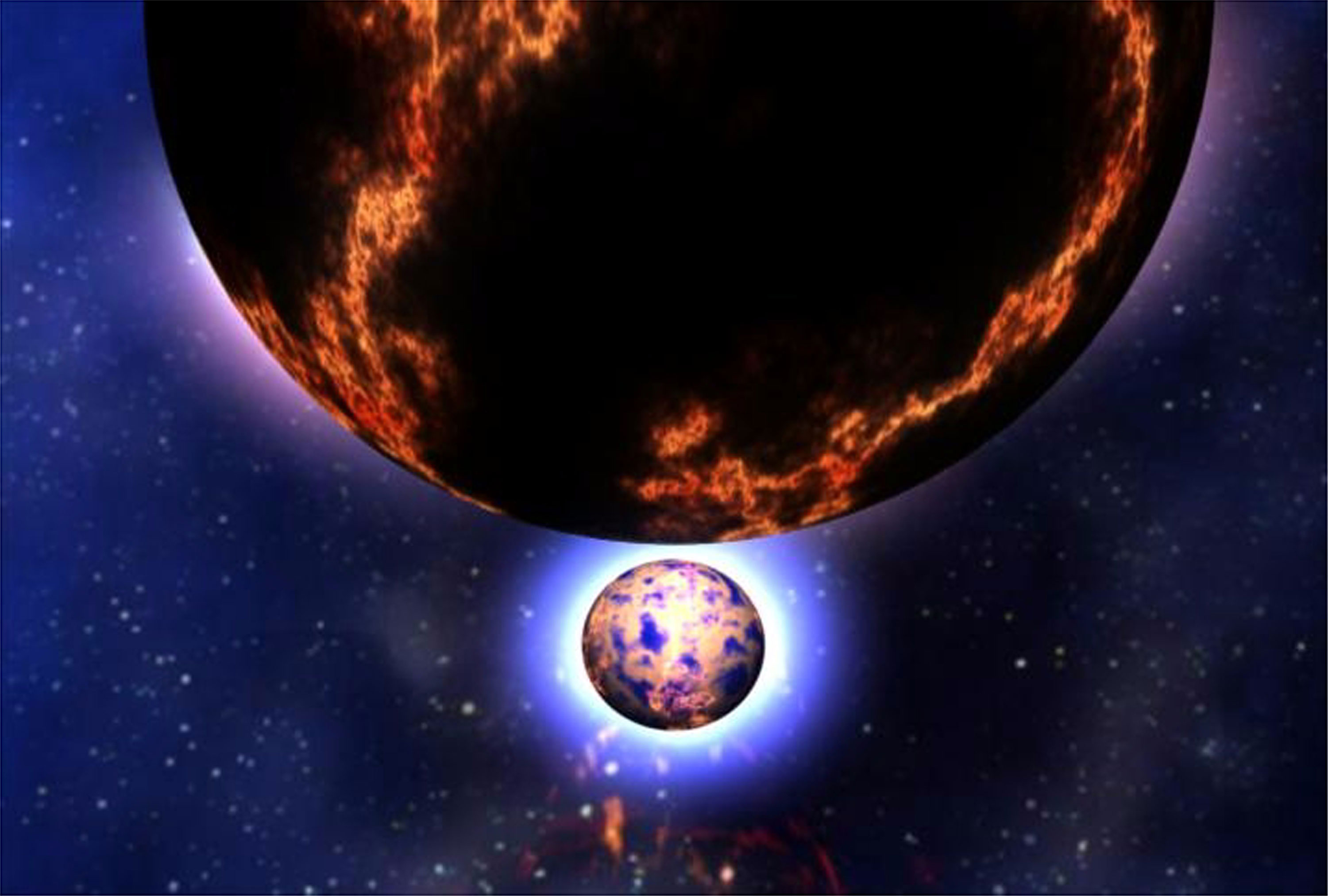
I learned that a supernova explosion is one of the most powerful of its kind. This explosion occurs if the star is very large and it collapses and releases a lot of energy. After the star collapses the result is usually a rapidly moving neutron star that is observed many years later.
Friday, September 9, 2011
APOD1.2-Comet Garradd and the Coat Hanger
Last weekend this beautiful comet sweeped across Earth's sky along the milky way. In the picture you see that the comet's tail is pointing southeast. The background of this comet is the stars in the asterism, known as the Coat Hanger. Hard to see from the naked eye but very good for telescopes and binoculars. Comet Garrad has been getting a lot of hype lately and is a very nice comet with a bright head and a stubby but well defined tail. Something I did not know about comets was that they last for so long, in movies they portray comets as just sailing through the night sky, while the article I read said Comet Garradd would be there from October to March!


Friday, September 2, 2011
APOD 1.1- The Endeavor into the night....AND Mr.Percival.
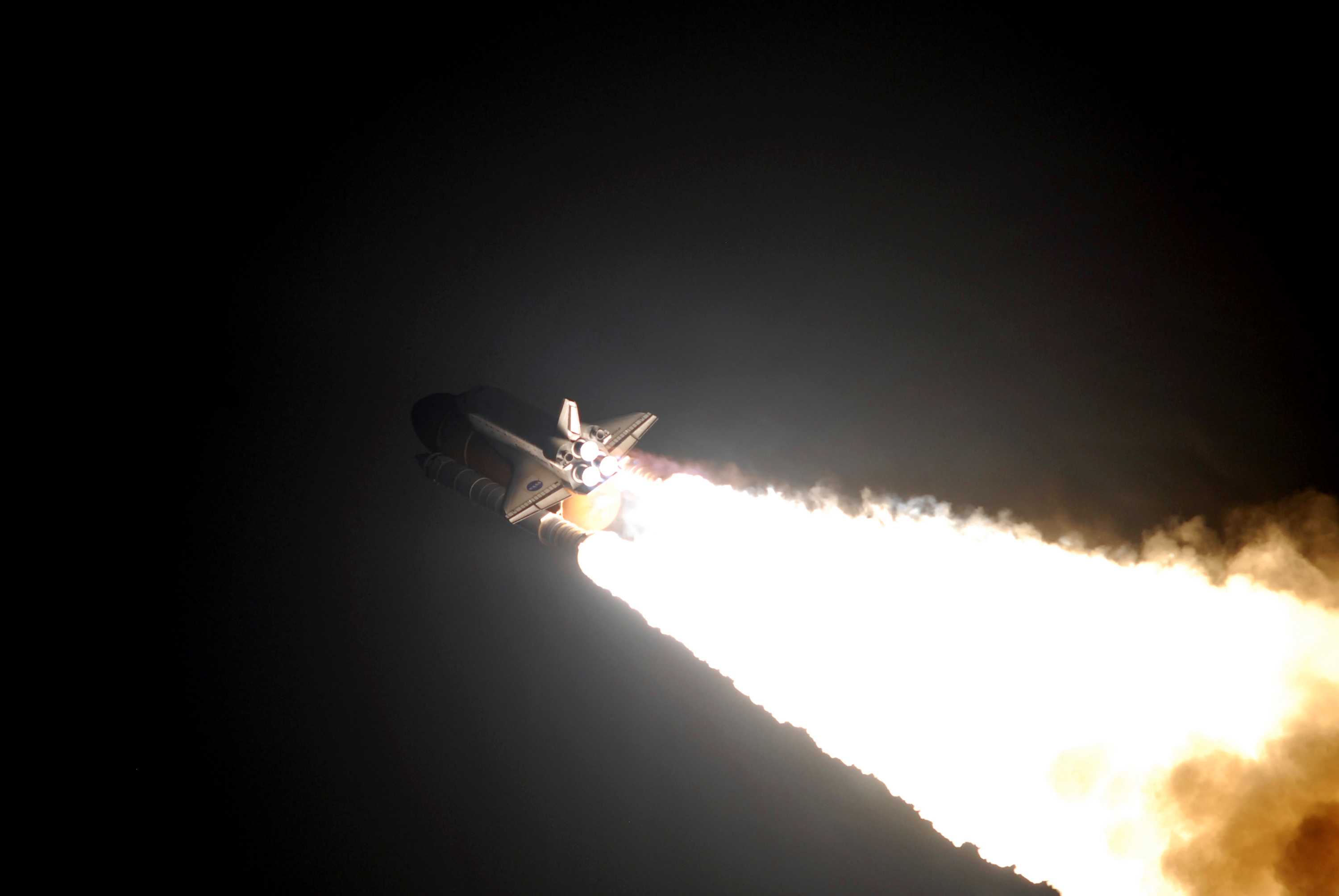
While reading the information on the snapshot, the Endeavor into the night, an interesting fact I found was that when this picture was taken it was the 10th anniversary of the official start of construction of the Space Station. I did not know very much on the Endeavor space shuttle before I read this article but know I know that there were seven astronauts aboard this awesome shuttle. Also while looking further into details of the Endeavor I found out about the perigee moon that is seen in the picture of the article. A perigee moon is when the moon will reach it's full phase within its closest point in its elliptical orbit. Below is an extremely fascinating image of the space shuttle, Endeavor, that was taken from an interesting angle right below after it's takeoff.

Subscribe to:
Comments (Atom)